Everything Begins on Day One
Over the past few years, scientists have continued to learn remarkable things about the way that the microbes in and on our bodies--sometimes referred to as our "microbiome"--affect our health. In particular, they've discovered that the number and kinds of bacteria that colonize our digestive tract early in life seem to play an important role in the development of our immune system. Along with this discovery, researchers have also begun to identify specific factors that they believe can prevent the right combination of microbes from being introduced, potentially resulting in a variety of immune disorders.
What are some of these factors?
Vaginal birth versus cesarean section. By traveling through the mother's birth canal, babies receive bacteria that colonize the gut and help to regulate immune system development. Some research suggests that babies who are born through cesarean section do not receive them and are more prone to allergies and other immune system problems.
Breast feeding versus formula feeding. A mother's milk kick-starts the baby's immune system. It contains antibodies that help ward off infections--especially those that involve the digestive system--while the baby's own system matures. Babies who are formula fed do not receive these antibodies (though they do receive a degree of passive immunity through the placental wall in the three months prior to birth) and tend to have a higher incidence of bacterial and viral infections.
Early use of antibiotics. Early use of antibiotics--particularly broad-spectrum antibiotics--can kill off the good bacteria that are colonizing the baby's digestive tract as well as the bad ones being targeted. This can change the composition of microbes that live in the baby's gut at the same time his or her immune system is developing.

Later in Life: Your Diet and Your Microbes
While the evidence linking gut bacteria with immune system development continues to grow, there is also mounting evidence that the food you eat can have an impact on those microbes later in life. This in turn may have a real impact on your overall health and wellness.
One of the more recent studies that show the relationship between diet and microbiota was conducted in 2014 by researchers at Duke and Yale. In this study, researchers compared the microbiota of a group of volunteers. For five days, the volunteers limited their diet to rice and vegetables. After eating their regular diet for a week, the volunteers then spent another five days eating only animal and fatty products. The results showed that only three days after each dietary change there was a significant variation in the type of microbiota present.
What Type of Diet Supports Immune Health?
Diets that are high in sugar, animal fats, and processed foods provide nourishment for microbes that cause issues with digestion as well as immune health. Unfortunately, these foods are also a large part of the standard American diet. It comes as no surprise, then, that doctors see millions of patients every year for problems such as heartburn, bloating, constipation, irritable bowels, and diarrhea. Changing your diet to include foods that encourage a healthy balance of microbes can help keep you at your best.
Keep the following tips in mind when building a gut-friendly diet:
- Limit foods that are processed and high in sugar. Cutting off this food source helps to keep unhelpful bacteria in check.
- Increase your intake of beans, seeds, nuts, vegetables, and fruits. These foods help to increase the amount of "good"bacteria.
- Consider probiotic foods. Foods that are referred to as "probiotic" (such as kefir or Greek yogurt) contain live bacteria. These microorganisms help to supplement the good bacteria already in your digestive system and can help to tip the balance in your favor. Probiotics can be particularly helpful after a round of antibiotics, which can negatively impact your microbiota balance. In addition to probiotic foods, Giebler Chiropractic provides a Clinician-Level probiotic supplement that is highly recommended.
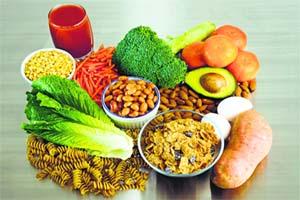
As a certified nutritional consultant, I can be a very helpful resource when working to build a diet that is friendly to your digestive and immune systems. Because chiropractic care puts a special focus on lifestyle choices, our office and our services can provide you with targeted feedback on how your food choices are impacting your overall health. Let's get together and work together to build a food plan that improves your well-being in all areas, including your microbe balance.
Making choices that positively impact the beneficial organisms that live inside your own body and those of your family members can significantly improve everyone's well-being. A healthy immune system is much, much more reliant on nutrition and overall wellness and not just masks and hand sanitizer...those superficial aspects are just that...superficial. Remember-your immune system health is a partnership that starts on day one and lasts a lifetime, one meal at a time!

No comments:
Post a Comment