Last Saturday night I sneaked out of the house for a nice night in the woods camping. While my original plan was to sleep in my sleeping bag while in a hammock, the fact that a frost warning was in effect prompted me to bring a tent along.
I had planned to sleep well and be awake by 5:00 AM to go for a run. Believe it or not, I slept so well that I woke up almost an hour later than anticipated! I was well-rested and ready for a wonderful morning on the trails.
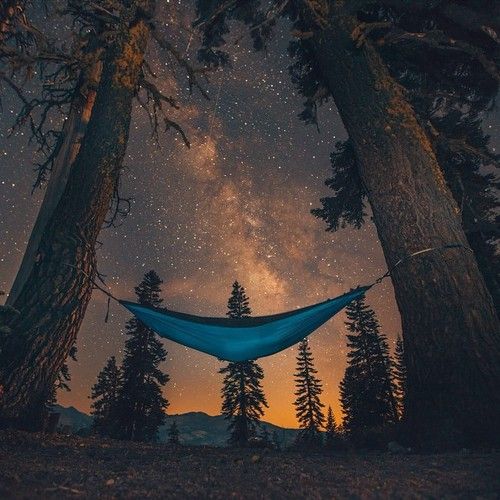 How do you feel about the idea of sleeping under the stars? Do you find it exciting, or does it fill you with dread? For many people (especially those over 35), their concern isn't so much about being outside, it's about getting a poor night's sleep and then having to live with all the consequences the next day. Most of us can probably relate, even if we don't share the same worries ourselves.
The good news is that there are some easy things you (or your anxious family members and friends) can do to improve the odds of sleeping well outdoors. Here's a quick list of helpful tips and tricks:
Set up your tent on a flat surface. This is a really, really obvious one, yet just last weekend I managed to set up my tent on a metal stake that was sticking out of the ground about three inches! While you're looking for a suitably level place to pitch your tent or spread out your sleeping bag, ensure that the area you choose is free of bumpy objects such as rocks and tree roots that will make you wake up feeling sore and bruised.
Use an inflatable sleeping pad or mattress under your sleeping bag to provide extra padding. This is pretty self-explanatory, but if you decide to use an air mattress, don't forget to bring along a pump! If you leave your pump at home, you could spend a LOT of time filling even a moderately sized mattress.
Check the weather forecast to see how much insulation you'll need for your sleeping bag. Being either too hot or too cold isn't going to help you get a good night's rest--that's just as true outdoors as it is indoors. But when you're outdoors, the temperature is usually more variable than it is indoors. The wilderness doesn't come with a programmable thermostat--remember that even in locations where it is warm during the day, the temperature can often drop significantly overnight. This is where a bit of planning and a willingness to improvise help. You can purchase a sleeping bag liner that will add an additional 25 degrees of warmth without being bulky. If it's too hot, you can always sleep on top of your sleeping bag.
Consider bringing along earplugs or a set of earphones. Some people love the sounds of crickets chirping or wind through the trees and find that they help them fall asleep. Others don't. For them (particularly for the city dwellers), sounds of nature can be worse than traffic noise on a busy downtown street. Light sleepers may want to bring along some earplugs just in case. Or, if you're someone who needs background noise to sleep and you're not near the ocean and there are no crickets nearby, there are a number of smartphone apps that can provide ambient sounds such as rivers flowing or rain falling on forest leaves.
Be sure your sleepwear is dry. If your clothes are damp or wet, change into dry ones and put on a fresh pair of socks to make you feel extra comfortable. Be careful not to overdress, since you can become overheated and sweaty, which can lead to getting a chill. A light pair of long underwear is your best bet. If you're a bit too cool, throw your jacket or a light blanket over your sleeping bag for extra warmth.
A little light exercise before bed can also help you get a good night's sleep. Nothing vigorous enough to work up a sweat, but maybe just a walk to the bathroom or around the campground will help get your circulation going and tire you out enough to settle down for sleep.

No comments:
Post a Comment